Comprehensive Medical Retina Care in Terrace & Northern BC
Our Medical Retina Care
Age-related macular degeneration (AMD) and other retinal diseases can cause significant vision loss if left untreated. Fortunately, modern medical retina treatments such as intravitreal injections and retinal laser therapy can slow, stop, or even improve vision outcomes for patients with retinal conditions.
These procedures are safe, effective, and performed in-office, helping preserve sight and quality of life for those affected by macular degeneration and other retinal disorders.
Intravitreal Injections
Intravitreal injections are a cornerstone of modern retinal care. This treatment involves delivering medication directly into the eye to treat conditions such as wet age-related macular degeneration (AMD), diabetic macular edema, and retinal vein occlusions. By targeting abnormal blood vessels and fluid buildup, intravitreal injections help slow disease progression and preserve central vision.
Retinal Laser Therapy
Retinal laser therapy is a highly effective procedure used to manage retinal conditions such as diabetic retinopathy and certain forms of wet AMD. The laser targets abnormal blood vessels or areas of leakage, helping prevent further retinal damage and preserving sight.
Intravitreal Injections
How It Works
The procedure is quick, performed in-office, and requires only numbing eye drops. A tiny needle administers the medication directly into the vitreous (the gel-like substance inside the eye). Most patients feel minimal discomfort, and the procedure typically takes just a few minutes.
Benefits
- Preserves Vision: Slows or halts vision loss from retinal disease.
- Reduces Vision Distortion: Helps improve clarity and reduce blind spots or blurriness.
- Convenient and Safe: Outpatient procedure with minimal downtime.
Retinal Laser Therapy
How It Works
The ophthalmologist directs a precise, controlled laser beam to the affected part of the retina. The laser seals leaking blood vessels, reduces swelling, and prevents abnormal vessel growth. Patients may experience brief flashes of light during treatment, but discomfort is generally minimal.
Benefits
- Prevents Vision Loss: Stops further retinal damage and protects central vision.
- Reduces Risk of Complications: Helps prevent retinal bleeding, detachment, or severe vision decline.
- Outpatient and Efficient: Usually completed in one session, with rapid recovery.
Preservation of Vision
While AMD and other retinal diseases can cause permanent vision loss, intravitreal injections and retinal laser treatments can stabilize or even improve vision. This allows patients to maintain their independence, continue reading, and recognize faces, slowing the progression of the disease and prolonging useful sight.
Reduced Risk of Severe Vision Loss
Timely treatment significantly lowers the risk of rapid, irreversible vision decline. For many patients, ongoing treatment is the key to preventing blindness and maintaining daily functioning.
Improved Safety and Confidence
Retinal disease often causes distortion or blind spots in central vision, making it hard to drive, read, or navigate safely. By managing the disease, patients experience greater confidence in daily activities and less disruption from vision impairment.
What to expect during your visit
Medical Retina Assessment & Treatment
Comprehensive Eye Imaging
Your visit begins with detailed scans such as OCT and retinal photos. These help us assess the health of your macula, retina, and optic nerve. The imaging is quick, non‑contact, and painless.
Consultation & Diagnosis
You’ll meet with our ophthalmologist to review your results, discuss any retinal conditions (such as macular degeneration or diabetic retinopathy), and talk through your personalized treatment plan.
Treatment & Follow‑Up
If treatment is recommended, you may receive intravitreal injections or retinal laser during your visit or at a scheduled follow‑up. We’ll guide you through what to expect, after‑care instructions, and ongoing monitoring.
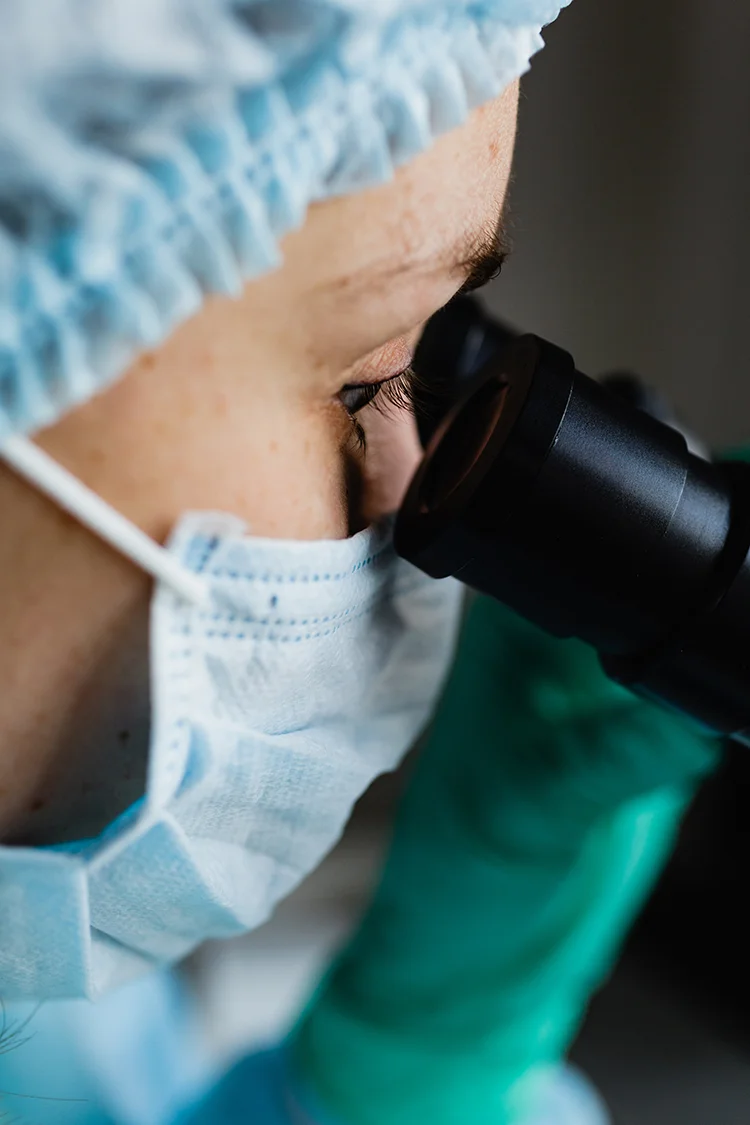
Offering comprehensive surgical treatment options for Northern BC
Adjunctive Procedures for Medical Retina Procedures
To get the best results from medical retina surgery, it’s often paired with other procedures. Here are some common combinations:
Photodynamic Therapy (PDT)
Combines a light-sensitive drug with a cold laser to target abnormal retinal blood vessels.
Combination Therapy
Some patients benefit from both injections and laser treatment to achieve better disease control.
Monitoring with OCT (Optical Coherence Tomography)
Advanced imaging is often performed before and after treatment to track disease progression and treatment success.
Frequently Asked Questions
Have Questions Regarding Medical Retina Procedures & Treatments at Vision North?
A progressive retinal condition that damages central vision, often related to aging.
Treatment schedules vary but are typically every 4–12 weeks depending on your condition.